
Why Does a Chimney Sweep Cost What It Does? Why Is a Chimney Sweep So Expensive in Philadelphia, PA?
Why is a chimney sweep so expensive? The cost depends on the chimney’s condition, access, and how much creosote or debris needs attention. Philadelphia Chimney Sweep lists chimney sweep service from $89; contact us to book a visit.
Need help now? (267) 705-6118
Why Is a Chimney Sweep So Expensive When Chimneys Need Different Work?
A chimney sweep’s price reflects the work the chimney actually needs, not just the time spent brushing the flue. A clear, accessible chimney with light deposits calls for a different scope than one with heavy creosote, blockages, or damage that needs a separate repair.
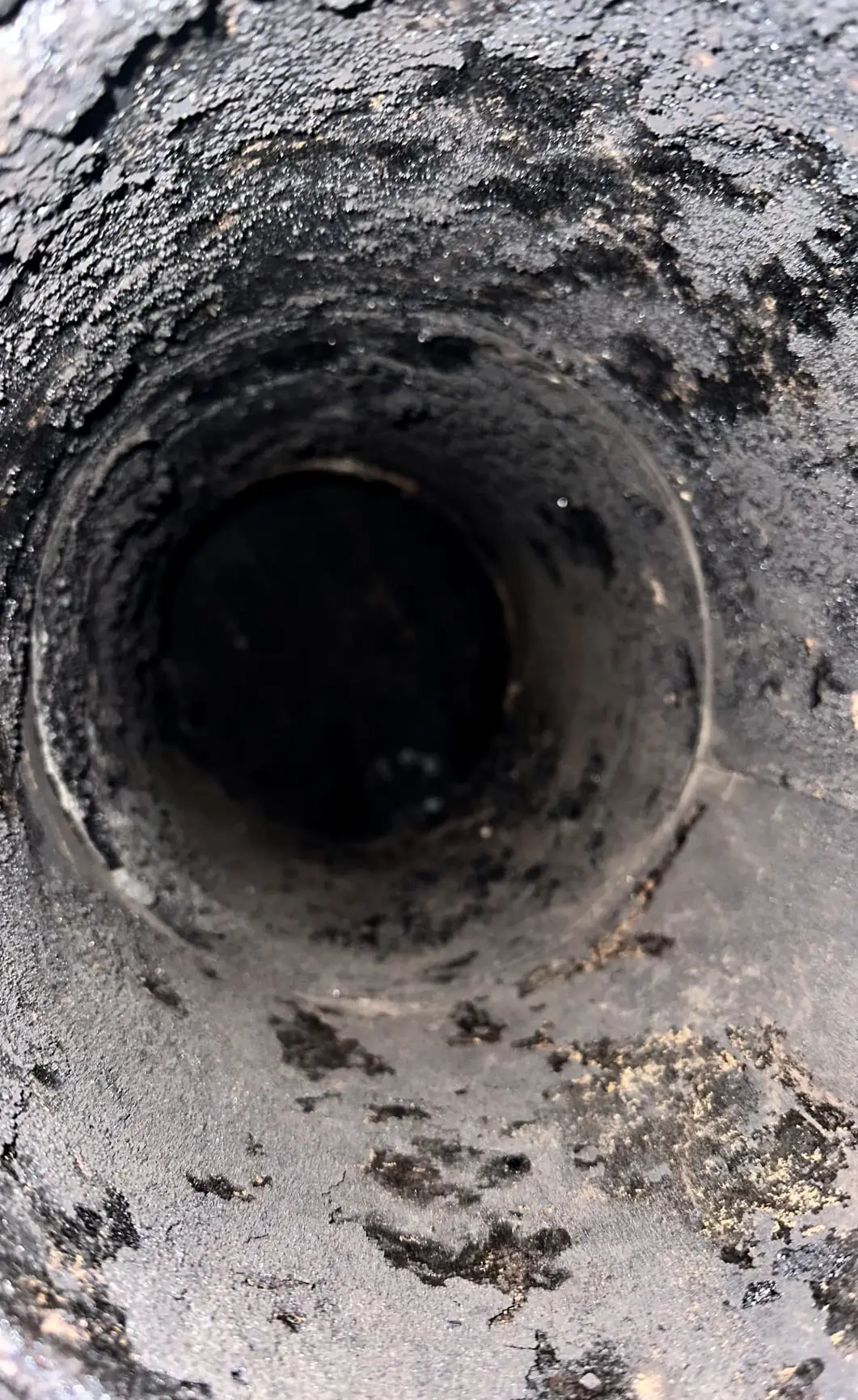
The flue’s height and layout, access to the fireplace or stove, and the amount and type of buildup can all affect the job. Creosote is a combustible deposit formed by wood smoke; the National Fire Protection Association’s guidance, referenced in the CSIA homeowner resources, uses 1/8 inch of buildup as a threshold for sweeping.
A sweep may also find a condition that cleaning cannot fix, such as a damaged liner or a problem with the chimney’s structure. Garrett Sullivan, the owner of Philadelphia Chimney Sweep, has 16 years of experience with chimneys and fireplaces.
What Does the $89 Chimney Sweep Starting Price Mean?
Chimney sweep service starts at $89. That is the listed starting price for the service, not a promise that every chimney’s full job will cost the same; the final scope depends on the buildup, access, and condition found at the chimney.
For a cost guide focused on local pricing, see how much a chimney sweep costs in Philadelphia or how much a chimney sweep costs in Pennsylvania. The chimney sweep service page describes the related service.
Which Chimney Service Fits the Problem You’re Seeing?
A sweep, an inspection, and a repair address different problems. The sign you noticed—and whether the fireplace or stove has changed, stopped working, or become smoky—can help identify the right next step.
Chimney sweep
Choose a sweep when soot or creosote needs to be removed from the flue. Sweeping addresses deposits; it does not repair cracked masonry or replace a damaged liner.
Chimney inspection
An inspection is the better fit when you need the chimney’s condition assessed, such as after a change to an appliance or a chimney event. A Level 2 inspection for a masonry chimney includes a video scan, according to the CSIA Level 2 inspection procedure.
Chimney repair
Repair is needed when the issue is damage rather than buildup—for example, a damaged crown, flashing, liner, or masonry. Cleaning alone will not correct a leak or restore a damaged part.
Need help now? (267) 705-6118
What Signs Help Explain the Chimney Work Needed?
Before booking, note what you can see or smell from a safe position. Don’t climb onto the roof or reach into the flue; those checks belong to a chimney professional.
- Soot or dark flakes — Record where you see them—inside the firebox, around the damper, or elsewhere. The amount and location help describe the condition without scraping or disturbing deposits.
- Smoke entering the room — Note whether it happens when the fire starts, continues while the fire burns, or occurs only with a particular appliance. Stop using a fireplace that is sending smoke indoors until the cause is checked.
- Water marks or a musty smell — Look for staining on the ceiling or around the fireplace and note when it appears. Moisture can point to a leak or a chimney part that needs attention, not just cleaning.
- A recent change or event — Mention a new appliance, a change in how the fireplace is used, or suspected damage after a fire or severe weather. That information can indicate whether an inspection is needed alongside sweeping.
How to Prepare for a Chimney Sweep Without Inspecting the Roof
These owner-level checks help you describe the problem and keep the appointment focused. Leave flue cleaning, roof access, and handling damaged chimney parts to a chimney sweep.
- Let the fireplace or stove cool — Do not start a fire before the visit. Check that the appliance is cool to the touch from a safe position; do not put your hand into the firebox.
- Identify the appliance — Write down whether the chimney serves a fireplace, wood stove, pellet stove, or gas appliance. Check the appliance label or any paperwork you already have, and note the exact type you can identify.
- Gather the last inspection or repair record — Set aside paperwork that names the liner, damper, chimney cap, or previous work. Check whether it records an unresolved issue so you can point it out.
- Describe the symptom — Note smoke, odors, loose material, or water marks and when each appears. Check your notes for a clear location and pattern rather than trying to diagnose the cause.
- Look inside the firebox only if it is safe — With the appliance cold, use a flashlight to look for obvious loose pieces or visible damage. Do not scrape creosote, remove parts, or reach above the firebox; record what you can see and stop there.
- Clear the immediate work area — Move furniture and fragile items away from the fireplace opening. Check that the path to the appliance is open so the sweep can reach it.
- Share relevant changes when booking — Tell us about a new appliance, smoke entering the room, a leak, or suspected fire damage. Confirm the address and which appliance the chimney serves so the visit is booked for the concern you described.
How Long Does a Chimney Sweep Visit Take to Book and Complete?
The time on site depends on the chimney’s height and layout, how accessible the appliance is, the amount of buildup, and whether the inspection finds a separate issue. A simple sweep and a visit that needs closer inspection or repair do not have the same scope, so there is no single visit length that fits every chimney.
To book, call Philadelphia Chimney Sweep at (267) 705-6118 or contact us with the service address, appliance type, and the problem you have noticed. Same-day service is available; share any smoke, water, or damage concerns when you arrange the visit.
Need help now? (267) 705-6118
What Should You Do If a Sweep Finds Damage?
If the sweep identifies damage, ask which part is affected and whether the fireplace or stove should stay out of use until it is addressed. A chimney cap, crown, liner, damper, or masonry problem calls for the repair that matches that component; more brushing will not correct it.
Stop using a fireplace that smokes into the room, has visible damage, or may have experienced a chimney fire until it has been assessed. Do not climb the roof or try to remove a blockage yourself. A sweep can check the flue and explain whether the next step is cleaning, a more detailed inspection, or repair.
How to Judge the Scope Before You Approve Chimney Work
A useful estimate identifies the work being priced and the condition it addresses. Ask whether the proposed work is sweeping, inspection, or a repair, and which visible finding or chimney part makes that work relevant.
Separate cleaning from repair when comparing scopes. If the issue is creosote, sweeping addresses the deposits; if the liner is damaged or water is entering at the crown or flashing, the needed work is different. Knowing that distinction helps you compare like with like instead of treating every chimney visit as the same job.
Frequently asked questions
What makes one chimney sweep visit cost more than another?
The chimney’s condition, access, height and layout, and the amount of buildup affect the work involved. Damage or a blockage may also require an inspection or repair beyond sweeping.
How often does a chimney really need to be cleaned?
Have the chimney inspected at least once a year, as described in the CSIA’s guidance on the NFPA 211 recommendation. Whether it needs sweeping depends on the amount of soot and creosote present; the 1/8-inch buildup threshold is a reason to sweep.
Can a chimney be repaired instead of swept?
Yes, when the problem is damage to a chimney part rather than deposits in the flue. A sweep can identify whether the concern points to a liner, crown, flashing, masonry, or another repair.
Should I keep using my fireplace if smoke comes into the room?
Stop using it until the cause has been checked, and note when the smoke appears. Smoke indoors can point to a draft or flue problem that brushing alone may not solve.
Get a Clear Chimney Sweep Plan
Call (267) 705-6118 with your appliance type and the issue you’ve noticed to book chimney service.