
How Often Should a Chimney Be Swept?
A chimney should be inspected at least once a year and swept when an inspection finds creosote or other deposits that need removal. How often cleaning is needed depends on fireplace use, fuel, and what the chimney inspection reveals.
Need help now? (267) 705-6118
How Often Should a Chimney Be Swept After Its Annual Inspection?
Arrange a chimney inspection at least once a year, even if you use the fireplace only occasionally. The inspection checks the chimney and connected parts for damage, obstructions, and deposits; sweeping is recommended when the findings show cleaning is needed.
The Chimney Safety Institute of America explains that NFPA 211 calls for annual inspection, with cleaning when deposits reach 1/8 inch or when other conditions make it necessary. That means a calendar date alone does not tell you whether a chimney needs sweeping. A professional should assess the flue rather than relying on a guess based on how many fires you burned.
Use the annual check as your starting point, then follow the inspection findings. The CSIA homeowner guidance covers the inspection schedule and the deposit threshold behind this recommendation.
What Changes How Often Your Chimney Needs Sweeping?
Two chimneys can need cleaning on different schedules, even when both are inspected annually. The key difference is what the inspection finds inside the flue and how the fireplace is used.
Frequent wood fires
Regular use can add deposits over time. Ask the sweep to check the flue for creosote rather than estimating buildup from the number of fires.
Occasional use
Less use may mean fewer deposits, but it does not rule out an obstruction, damage, or an issue left from an earlier season. Keep the annual inspection on the calendar.
Changed fireplace or chimney conditions
A new appliance, relining, a chimney fire, or a significant weather event can call for a closer inspection. CSIA guidance describes a Level 2 inspection with a video scan for these situations.
Visible creosote or debris
Deposits, fallen masonry, or other material in the flue need professional assessment. Do not try to clear a blockage by reaching into the chimney.
Which Signs Mean Your Chimney May Need Cleaning?
A fireplace opening does not show the full length of the flue, so a clean-looking firebox cannot confirm that the chimney is clear. Pay attention to changes in how the fireplace operates and arrange an inspection when you notice these signs.
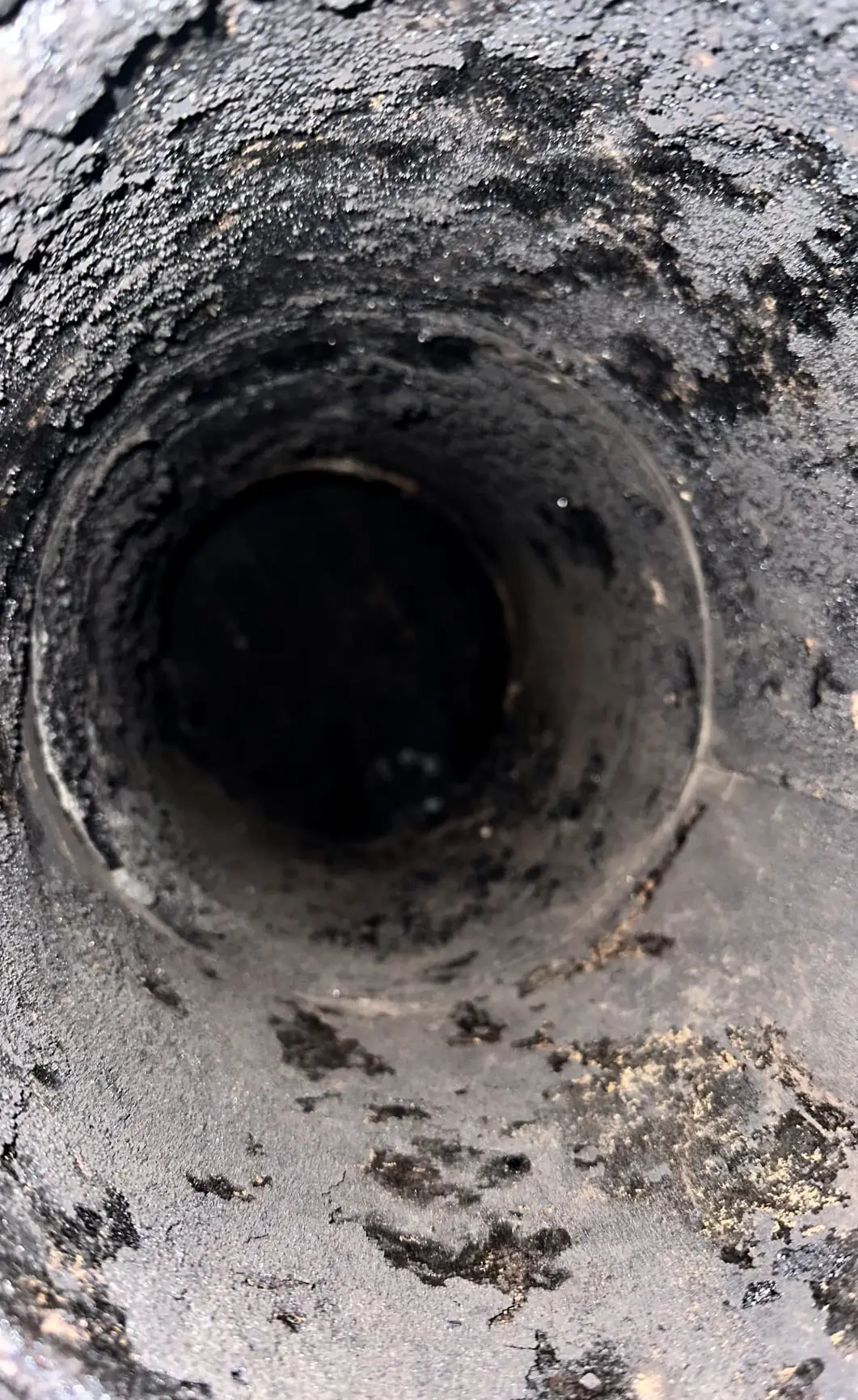
- Dark, flaky, or crusty material — Creosote can appear in different forms on accessible surfaces. Its appearance does not reliably show how much is higher in the flue, so have a sweep assess it.
- Smoke entering the room — Smoke spilling indoors can point to a blockage or a draft problem. Stop using the fireplace until the cause has been checked.
- A damaged or obstructed flue — Debris, animal material, or visible damage needs professional attention before you burn another fire.
- A chimney fire or severe weather event — Damage may not be visible from the hearth. Do not resume use until the chimney has been inspected.
Need help now? (267) 705-6118
What Can You Check Safely Before Booking a Chimney Sweep?
A homeowner can note symptoms and look at accessible fireplace parts, but should not climb onto the roof or enter the flue. These checks help you describe the situation; they do not replace an inspection.
- Let the fireplace cool — Do not inspect near hot embers or ash. Wait until the fireplace is fully cold before looking at the firebox.
- Check the firebox floor — Look for loose debris, fallen masonry, or unusual amounts of dark residue. Leave anything lodged in place for a professional to assess.
- Look at the damper from the hearth — Check whether the damper appears able to open and close. Do not force a stuck or damaged damper.
- Note smoke behavior — Record whether smoke enters the room at startup or during a fire. Stop using the fireplace if smoke spills indoors.
- Watch for fresh debris — Material falling into the firebox can indicate a problem above. Do not assume it is harmless ash or try to push it up the flue.
- Write down recent changes — Note a new appliance, chimney repair, severe weather, or any suspected chimney fire. These details can help determine what inspection is appropriate.
- Keep the fireplace out of use when a warning sign appears — Do not burn another fire when you see damage, a blockage, or indoor smoke. Book a chimney sweep service to assess the flue and clean it if needed.
Does an Annual Chimney Inspection Always Mean a Sweep?
No. An inspection evaluates the chimney’s condition; sweeping removes soot, creosote, and other deposits when cleaning is needed. The inspection findings determine whether a sweep is the right next step.
Inspection only
This can fit when the flue is clear and the inspection finds no deposits or other reason to clean. Keep the inspection record and follow the recommended schedule.
Inspection with sweeping
This fits when the inspection finds creosote or other removable deposits. Cleaning addresses the buildup; it does not repair damaged masonry or a faulty chimney part.
A closer inspection
A new appliance, relining, a chimney fire, or significant weather damage can call for a Level 2 inspection. CSIA’s Level 2 masonry chimney procedure specifies a video scan for that inspection.
When Should You Stop Using the Fireplace and Call a Chimney Sweep?
Stop using the fireplace and arrange a professional assessment when smoke enters the room, you find material or damage in the firebox, or you suspect a chimney fire. Do not try to inspect the roof, remove a blockage from inside the flue, or light another fire to test whether the problem has cleared.
A chimney fire can damage parts that are hidden from view. A professional inspection can check for damage and determine whether cleaning or repair is needed before the fireplace goes back into use. Our chimney sweep service includes chimney sweeping, and same-day service is available.
Need help now? (267) 705-6118
What Happens When You Book a Chimney Sweep?
Tell us whether the fireplace burns wood or another fuel, how often you use it, and what you have noticed. Mention smoke entering the room, debris, a recent appliance change, or a suspected chimney fire so the service can be matched to the issue.
The time a visit takes varies with access, chimney condition, and the amount of buildup. During the visit, the chimney needs to be assessed so the sweep can determine whether deposits need removal and whether there are signs of damage or obstruction. Call (267) 705-6118 or contact us to book; we are open 24 hours a day, 7 days a week.
Chimney cleaning starts from $89. The final service needed depends on the chimney’s condition and whether the inspection finds a repair issue as well as deposits. For a separate pricing breakdown, read how much a chimney sweep costs in Philadelphia.
How Can You Keep Chimney Cleaning on a Safe Schedule?
Set an annual inspection reminder and keep a note of when you use the fireplace, what fuel it burns, and any change in performance. Save the inspection findings so the next sweep can compare the current condition with the previous one.
Do not wait for heavy visible buildup before arranging an assessment: deposits higher in the flue may not be visible from the hearth. If the inspection identifies creosote at or above the 1/8-inch threshold, or another condition that calls for cleaning, schedule the sweep before using the fireplace again.
Frequently asked questions
How often does a chimney really need to be cleaned?
Have the chimney inspected at least once a year, then sweep it when the inspection finds deposits or another condition that requires cleaning. CSIA guidance describes 1/8 inch of creosote as a cleaning threshold, but a professional should assess the flue rather than relying on a visual guess from the fireplace opening.
Should I get a chimney swept if I rarely use my fireplace?
Yes, keep the annual inspection even when you use the fireplace infrequently. It can identify an obstruction, damage, or deposits that are not visible from the hearth, and the findings will show whether sweeping is needed.
Can I tell from the fireplace opening whether the chimney needs sweeping?
No. The opening does not show the full flue, so visible soot or a clean-looking firebox cannot confirm the chimney’s condition. Have a sweep inspect the flue and determine whether cleaning is necessary.
Should I use my fireplace if smoke comes into the room?
No. Stop using it until a professional checks for a blockage or draft problem. Smoke entering the room is a sign that the fireplace is not venting properly.
Schedule Your Chimney Sweep
Tell us what you have noticed and book an inspection or sweep by calling (267) 705-6118.