
How Long Does a Chimney Sweep Take?
How long a chimney sweep takes depends on flue access, creosote buildup and whether the sweep finds a reason for closer inspection; there is no single duration for every chimney. The $89 starting price covers chimney sweep service, while added inspection or repair work can affect the total.
Need help now? (267) 705-6118
What Changes How Long a Chimney Sweep Takes?
The work can be straightforward when the flue is accessible and has a light layer of soot. A tight bend, a blocked passage, heavy creosote or damaged parts can require additional checks and cleaning, so the visit takes longer than a simple sweep.
The sweep also needs to know what fuel and appliance you use. A wood-burning fireplace and a gas appliance leave different deposits and call for different checks. Tell us when the chimney was last serviced and whether you have noticed smoke entering the room, a weak draft or a strong smoky odor.
Chimney sweep service starts at $89. The condition of the chimney, access to the flue and any separate inspection or repair work can affect the final cost. For more detail about pricing, read how much a chimney sweep costs in Philadelphia.
- Flue access — The route from the fireplace or appliance to the top of the chimney affects how easily the sweep can inspect and clean the passage. Tell the sweep about unusual bends, a hard-to-open damper or anything that blocks access.
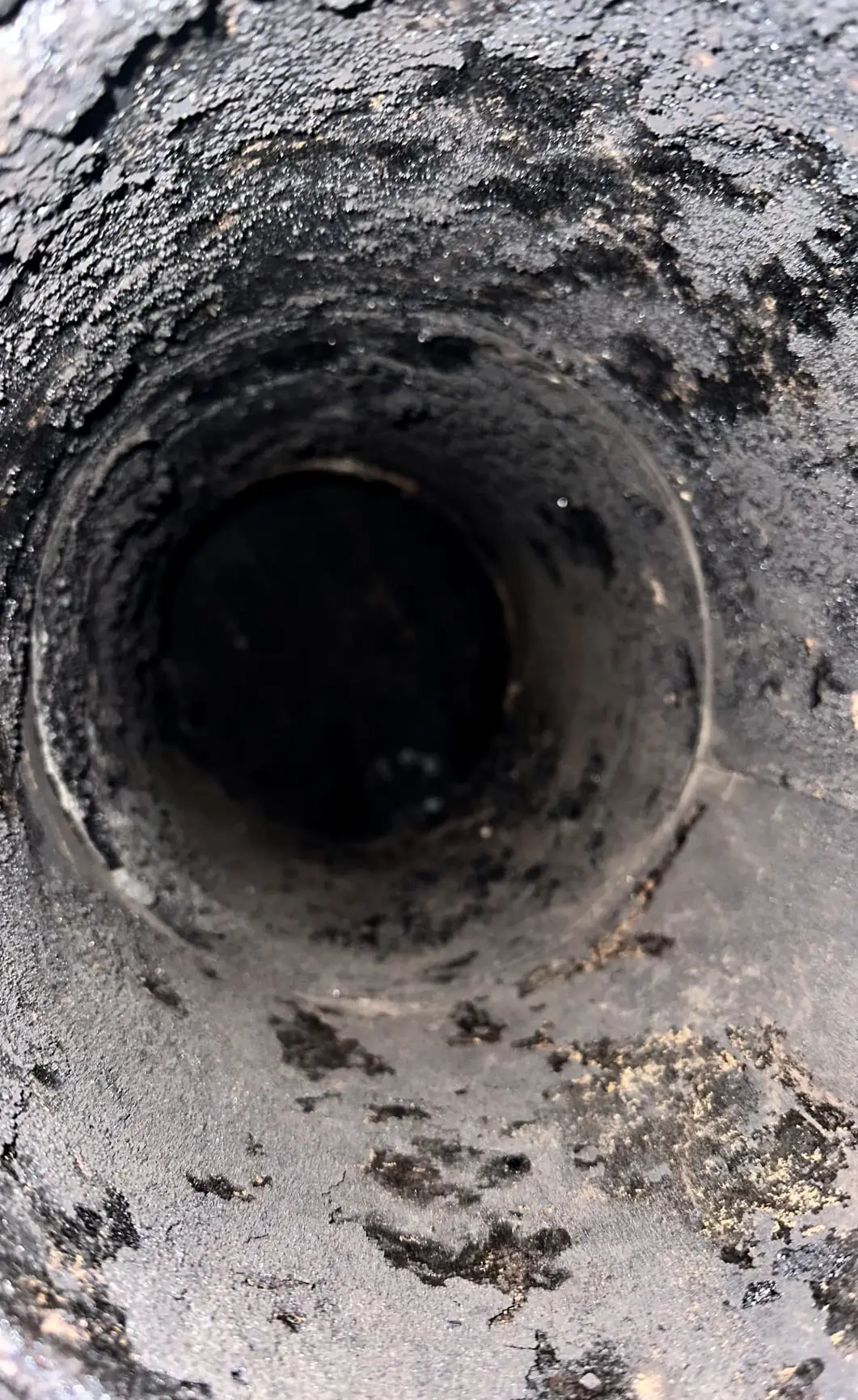
- Creosote and soot — A thin soot coating is different from thick, hardened creosote. The CSIA identifies creosote at 1/8 inch or more as a point when it should be removed; heavier deposits can take more work to clear. See the CSIA homeowner resources for chimney-care guidance.
- Damage or a second concern — Cracked masonry, a damaged damper or smoke that spills into the room can make a basic sweep only part of the needed work. The sweep may need a closer look before identifying the right next service.
- Last service and use — A chimney used often, or one without a recent cleaning history, may hold more deposits than a fireplace used occasionally. Share what you know about use and past service so the sweep can plan the right checks.
What Happens During a Typical Chimney Sweep?
A sweep follows the chimney’s condition rather than a stopwatch. These steps show the kinds of checks and cleaning involved; the exact sequence can vary with the appliance and what the sweep finds.
- Identify the appliance and fuel — The sweep checks whether the chimney serves a wood-burning fireplace, stove or another appliance. This matters because the fuel and appliance determine what deposits and components need attention.
- Look over the firebox and damper — A visual check of the firebox and damper can reveal soot, loose material or a part that does not move properly. The sweep checks that the damper opens and closes as expected before moving farther into the flue.
- Check access to the flue — The sweep looks for an obstruction or a closed damper that would prevent a clear inspection. This check helps distinguish a routine cleaning from a situation that needs another assessment.
- Protect the work area — A drop cloth and suitable containment help keep soot from spreading around the hearth. The sweep checks that the fireplace opening and nearby floor are protected before brushing begins.
- Brush the flue — A chimney brush attached to rods loosens soot and creosote from the flue walls. The sweep checks the loosened material and the passage as cleaning progresses rather than assuming every section is alike.
- Remove loosened deposits — A vacuum designed for the work area can collect debris from the firebox and hearth. The sweep checks for remaining loose material so soot is not left sitting where it can be stirred up later.
- Recheck the chimney’s visible parts — A flashlight, mirror or camera can help examine parts of the flue that are not easy to see directly. The sweep checks for visible damage or deposits that may call for further inspection.
- Review what the checks found — The final review separates cleaning that is complete from signs that need another service. Ask which area showed the concern and whether it affects safe fireplace use before lighting another fire.
Does Your Fireplace Need a Sweep or a Closer Inspection?
A sweep removes deposits; an inspection evaluates the chimney’s condition. They address different needs, and one should not be treated as a substitute for the other.
A sweep fits visible soot or creosote
Choose chimney cleaning when the concern is accumulated material in a flue used for burning. A sweep can clean the passage and check for visible signs that the chimney needs additional attention.
An inspection fits a question about condition
Choose a chimney inspection when you need an assessment of the chimney, not only removal of deposits. An inspection is especially relevant after a change to the appliance or fuel, a chimney fire, or an event that may have affected the structure.
A video inspection fits a need to see inside
A camera can show parts of the flue that a direct visual check cannot reach. CSIA guidance calls for a video scan in a Level 2 inspection of a masonry chimney; that is a more detailed assessment than routine sweeping.
Need help now? (267) 705-6118
Which Chimney Signs Mean Cleaning Alone May Not Be Enough?
Do not treat every chimney concern as a request for a routine sweep. Stop using the fireplace and arrange a professional assessment when you notice a sign that could point to damage or a blocked flue.
- Smoke comes back into the room — Smoke entering the living space can point to a draft problem, an obstruction or another issue in the fireplace or flue. Stop using the fireplace until the cause has been checked.
- The damper will not move or close — A stuck or damaged damper can affect how the fireplace drafts and how the flue is closed when the fireplace is not in use. Do not force it; have the part checked.
- You see cracked masonry or loose material — Damage inside the firebox or flue can require repair as well as cleaning. Tell the sweep where you saw the damage and avoid lighting another fire until it is assessed.
- There was a chimney fire or a damaging event — A fire or severe weather event can affect parts of the chimney that are not visible from the hearth. Arrange an inspection before using the fireplace again.
What Should You Do When a Sweep Finds a Problem?
Ask the sweep to identify the affected part—such as the flue, damper, firebox or masonry—and say whether the concern is deposit buildup or damage. That distinction matters: brushing removes deposits, but it does not repair a cracked liner, a faulty damper or damaged masonry.
Do not use the fireplace while smoke is spilling indoors or a component appears damaged. A chimney sweep can assess the condition and determine whether cleaning, a closer inspection or a repair is the appropriate next step. Learn about our chimney sweep service.
- Before you book — Have the appliance type, fuel, last known cleaning and any symptoms ready. Smoke problems, unusual odors and visible damage are useful details because they may change what needs to be checked.
- When you contact us — Tell us whether you need deposit removal, an assessment of chimney condition or both. You can contact us to arrange service; same-day service is available.
How Can You Make the Next Chimney Check More Useful?
Keep a note of the date of the last sweep, the appliance or fuel used and any change in draft or smoke behavior. Those details help compare current conditions with what you noticed before, and they give the sweep a clearer starting point.
Do not scrape deposits from inside the flue or reach into the chimney to inspect it yourself. A brush or loose debris can conceal damage, and climbing onto a roof adds a fall risk. Leave flue cleaning and checks beyond the firebox to a chimney professional.
- For a routine cleaning — Describe the fireplace or stove and how it is used. The sweep can focus on the flue and the deposits associated with that appliance.
- For a concern about damage — Mention smoke spillage, a damper problem, visible cracks or a recent chimney event. That helps distinguish a request for cleaning from one that may need an inspection or repair.
Need help now? (267) 705-6118
Frequently asked questions
Can a chimney sweep estimate the visit length before arriving?
The sweep can give a more useful expectation after learning the appliance type, flue access and symptoms, but the chimney’s condition can change the work involved. Mention heavy deposits, smoke problems or visible damage when you book.
Does a chimney sweep always include a full inspection?
Sweeping removes deposits, while an inspection evaluates the chimney’s condition; they are related but distinct services. Ask for an inspection when you need an assessment beyond cleaning, such as after an appliance change or a chimney fire.
Should I book a sweep if my fireplace is smoking into the room?
Stop using the fireplace and have the cause checked before lighting another fire. Smoke spillage can point to a draft issue, an obstruction or a problem that cleaning alone may not correct.
What information should I have ready when I book?
Share the appliance and fuel type, when it was last cleaned if you know, and any symptoms such as smoke, odor or a damper that will not move. These details help identify whether you need a sweep, an inspection or a closer evaluation.
Book a Chimney Sweep
Share what you have noticed and what appliance you use so we can arrange the right chimney service.