
What Is the Best Time of Year to Sweep a Chimney?
The answer to “what time of year should you sweep a chimney?” is before the first fire of the season, ideally in spring or summer. We clean chimneys and offer same-day service.
Need help now? (267) 705-6118
What Time of Year Should You Sweep a Chimney in Philadelphia?
Schedule a sweep before you plan to use your fireplace or stove regularly. Spring or summer is a practical choice: you can have soot and creosote removed after a season of fires, then leave time to address any condition the cleaning reveals before lighting the next one.
You do not need to wait for a particular month if you have not used the fireplace recently or you notice a problem now. A smoky fireplace, visible deposits, or an unknown cleaning history are reasons to arrange service before burning another fire. The CSIA homeowner guidance explains why chimneys need regular inspection and cleaning based on their condition.
Choose a Chimney Sweep Date Based on Use and Condition
Use your fireplace habits and what you can safely see from the room to decide whether to book routine cleaning or request attention sooner. These checks do not replace a professional inspection.
- You use a wood-burning fireplace or stove — Schedule cleaning before the next regular period of use, especially if you cannot remember the last sweep. Wood smoke can leave creosote inside the flue, so visible buildup or a history of frequent fires calls for a closer look.
- The fireplace has been idle — An unused chimney still needs attention before you light a fire if its condition or maintenance history is unknown. Ask for an inspection as well as cleaning when you need the chimney’s condition assessed.
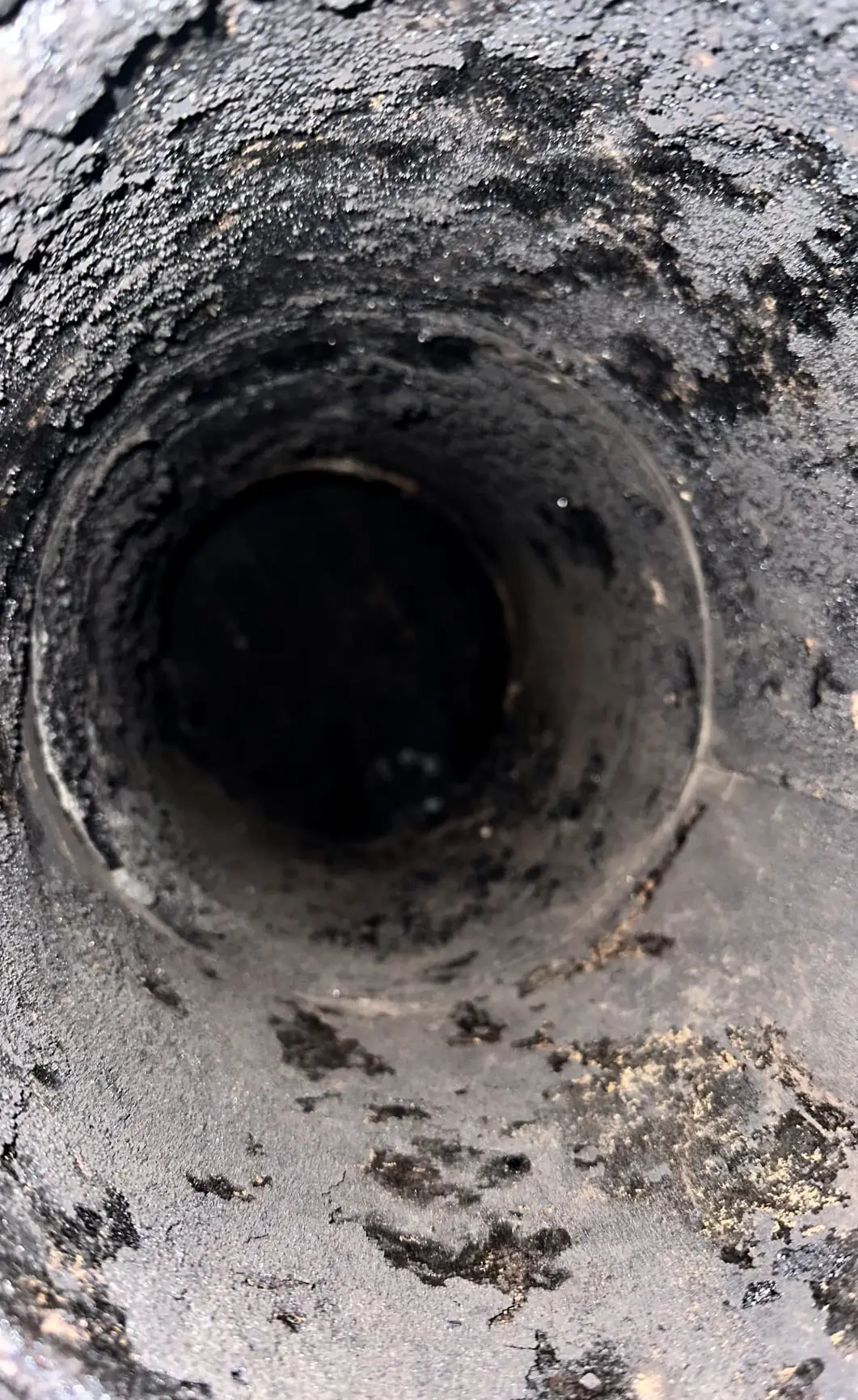
- You notice smoke or a heavy deposit — Stop using the fireplace until the cause is checked. Smoke entering the room or a thick, dark deposit can signal a problem that a routine calendar date should not delay.
- You changed the appliance or chimney setup — Book an inspection before using a changed system. The CSIA guidance recommends a Level 2 inspection in situations such as an appliance change or relining, and that inspection includes a video scan.
Seven Checks to Make Before Your Chimney Sweep Visit
These simple checks help you describe the system and its symptoms when you book. Keep your feet on the ground; do not climb onto the roof or put tools into the flue.
- Identify the appliance — Note whether you use a fireplace, wood stove, or another appliance and what fuel it burns. Check the appliance label or manual if you are unsure.
- Recall the last cleaning — Look for an invoice, service note, or home-maintenance record. If you cannot find one, tell the sweep that the cleaning history is unknown.
- Look into the firebox — With the fireplace cold, use a flashlight to view the firebox and the visible opening toward the flue. Note heavy dark deposits, loose masonry, or debris without scraping or reaching upward.
- Check the damper from the room — When the fireplace is cold, look at the damper and note whether it appears open, closed, stuck, or damaged. Do not force a part that will not move.
- Record smoke or draft symptoms — Write down whether smoke entered the room, when it happened, and whether a window or door was open. Those details help distinguish a cleaning request from a condition that needs further inspection.
- Note visible exterior concerns — From the ground, look for a missing or displaced chimney cap and visible cracks or loose material. Do not use a ladder to inspect the roof or cap.
- Clear the hearth area — Move furniture, rugs, and stored items away from the fireplace opening so the work area is accessible. Check that the appliance is cold and has not been used just before the appointment.
Need help now? (267) 705-6118
Spring, Summer, or Before First Use: Which Timing Fits?
There is no single calendar date that suits every chimney. Choose timing based on when you use the appliance and whether you have a symptom that needs attention now.
After regular use
A sweep after a period of frequent fires clears deposits left by use and gives you information about the chimney’s condition before the next season.
Spring or summer
This is a convenient planning window for many homeowners because the fireplace may be idle, leaving time to handle any repair identified before use resumes.
Before the first fire
Choose this option when you missed an earlier cleaning or only use the fireplace occasionally. Book before lighting it, rather than treating the first fire as a test.
What Chimney Cleaning Covers—and What the Starting Price Means
A chimney sweep removes soot and creosote from the chimney flue. Cleaning addresses deposits; an inspection assesses the chimney’s condition, and repair is separate work if a defect is found.
Chimney cleaning starts at $89. That is the listed starting price for cleaning, not a combined price for inspection or repairs; the work required can differ with the deposits and any separate condition that needs attention. For the different listed service starting prices, see how much a chimney sweep costs in Philadelphia.
How Long the Visit Takes and What to Share When Booking
There is no useful single duration for every chimney visit: the amount of cleaning, access to the appliance, and whether an inspection or repair is also needed affect the work involved. When you book, ask for the expected visit length based on the service you describe.
Share the appliance and fuel type, the last known cleaning date, any smoke or draft symptoms, and whether you want cleaning, inspection, or both. Call (267) 705-6118 or use our contact page to arrange service; same-day service is available.
Need help now? (267) 705-6118
When a Chimney Problem Should Change Your Schedule
Do not wait for spring or summer if smoke spills into the room, the damper is stuck, or you see substantial deposits or loose material. Stop using the appliance and arrange an assessment before another fire; brushing at the visible opening will not show what is farther up the flue.
A sweep can clean deposits, while an inspection can assess the chimney and identify whether repair is needed. Book a chimney sweep service when you see signs of buildup or do not know the cleaning history. If the system has been changed, suffered damage, or shows a condition beyond routine cleaning, mention that when booking so the request reflects the issue.
Use an Annual Check to Set the Next Cleaning Date
Rather than choosing a sweep date by season alone, keep a record of inspections, cleanings, and how often you use the appliance. CSIA homeowner resources describe annual chimney inspection as a key maintenance practice; the amount of cleaning needed depends on what the inspection finds and the buildup in the flue.
The guidance also uses a creosote layer of 1/8 inch as a threshold for sweeping. If you cannot see or measure deposits safely, do not try to reach into the chimney; ask a chimney sweep to assess it. An annual check gives you a clear basis for deciding whether cleaning is needed before the next period of use.
Frequently asked questions
Can I wait until just before I light my first fire?
You can schedule before first use, but do not light a fire to test an unknown or uninspected chimney. Arrange cleaning or inspection first if you do not know its condition or cleaning history.
Should I schedule a sweep if I only use my fireplace occasionally?
Yes, arrange an inspection before use if the fireplace has been idle and you do not know the chimney’s condition. The calendar alone cannot show whether the flue has buildup, damage, or an obstruction.
Is chimney cleaning the same as a chimney inspection?
No. Cleaning removes soot and creosote, while an inspection assesses the chimney’s condition. Tell us whether you need cleaning, an inspection, or both when you book.
What should I do if smoke comes into the room before my scheduled cleaning?
Stop using the fireplace and arrange an assessment before lighting another fire. Tell the sweep when the smoke appeared and what appliance you were using, since those details help identify the right service.
Plan Your Chimney Sweep
Call (267) 705-6118 or contact us to arrange chimney cleaning or an inspection before your next fire.