Is a Chimney Sweep Done From Inside or Outside?
Whether a chimney sweep is done from inside or outside depends on safe access and chimney design; a sweep may work through the firebox, from the roof, or from both. The cleaning method should let the sweep reach the flue while controlling soot and checking the areas that matter.
Need help now? (267) 705-6118
What Decides Whether a Chimney Sweep Works Inside or Outside?
A chimney sweep may clean from inside the home, from the roof, or by using both access points. The choice depends on the chimney’s layout, the appliance and flue, safe access, and whether the sweep can reach the full passage with the selected tools.
For an inside approach, the sweep works from the fireplace or stove opening and uses rods and a brush to reach upward. For a top-down approach, the sweep accesses the chimney from the roof and works downward. Neither direction is automatically better: the goal is to brush the flue walls and remove loosened deposits without spreading soot into the home.
A professional may use one method for brushing and another for setup or cleanup. For more on what the service involves, see our chimney sweep service.
- From inside — This approach can suit a chimney where the sweep can reach the flue from the fireplace or stove opening. The sweep should check that the brush and rods can travel through the passage without catching on a damper or other obstruction.
- From the roof — A top-down approach may fit when roof access is safe and the chimney can be reached from above. The sweep checks the chimney opening and uses the brush and rods to work down through the flue.
- From both ends — Using both access points can help when the flue’s shape or deposits make one direction insufficient. The sweep checks that the full passage has been reached and that loosened debris has been removed.
Which Chimney Sweeping Method Fits Your Fireplace?
The right access point is a job decision, not a homeowner guess. Tell the sweep whether you have a fireplace, wood stove, or another appliance, and mention any known bends, blockages, or recent changes to the chimney.
Choose inside access when the firebox is reachable
A sweep can set up at the fireplace or stove opening and work upward with brush rods. This is useful when the flue can be reached from below and roof access is unsuitable.
Choose roof access when it is safe and practical
A sweep can work down from the chimney top when the roof and chimney are safely accessible. This approach still requires checking the flue and collecting the debris at the appliance opening.
Use both access points when one pass is not enough
A second access point may help reach deposits or sections that a single direction does not clear. The sweep checks the flue’s condition and coverage rather than assuming the first pass reached every area.
What Happens During an Inside or Outside Chimney Sweep?
A typical professional sweep uses the access point that fits the chimney and the equipment. These steps show what to expect without suggesting that you climb onto the roof or try to brush the flue yourself.
- Identify the appliance and flue — The sweep confirms which fireplace or stove connects to the chimney and looks at the visible firebox, damper, and flue opening. Check that the sweep is working on the correct chimney passage, especially if the home has more than one appliance.
- Choose a safe access point — The sweep considers whether the firebox, roof, or both provide practical access. The roof surface, chimney top, damper opening, and any visible obstructions affect the choice.
- Protect the work area — Before brushing from inside, the sweep prepares around the fireplace opening to contain soot. Check that the hearth and nearby furnishings are protected before cleaning begins.
- Select the brush and rods — The brush must suit the flue shape and size, and the rods connect it to reach farther into the passage. The sweep checks that the tools fit and move through the flue without forcing them past an obstruction.
- Brush the flue in controlled passes — Working from the chosen end, the sweep moves the brush through the flue to loosen soot and creosote. The sweep checks for resistance or a blockage instead of pushing hard against it.
- Remove loosened deposits — The sweep collects debris that falls toward the firebox or other prepared work area. Check that the firebox and surrounding area are cleared of the deposits from the cleaning.
- Check the accessible chimney surfaces — The sweep looks for visible buildup, damage, or signs that the flue needs closer inspection. A camera scan may be appropriate in circumstances such as an appliance change, chimney relining, or a fire or weather event; the CSIA Level 2 inspection procedure describes when that inspection is recommended.
- Review the result before using the fireplace — Ask what was cleaned and whether the sweep found visible issues that need further inspection or repair. Do not use the fireplace if the sweep identifies a blockage or damage that makes operation unsafe.
Need help now? (267) 705-6118
What Should You Tell a Sweep Before the Visit?
A few details can help the sweep plan whether inside access, roof access, or both are likely to be needed. Share what you know; you do not need to inspect the roof yourself.
- Which appliance you use — Say whether the chimney serves a fireplace, wood stove, or another appliance. Different appliance and flue arrangements can affect the tools and access needed.
- What you have noticed — Mention smoke entering the room, a damper that will not open or close, visible deposits, or a blockage. These details help the sweep know what to check beyond routine brushing.
- Any recent change or event — Tell the sweep about a new appliance, relining, or a fire or weather event. The CSIA recommends a Level 2 inspection in these situations, which includes a video scan.
- Any access concern — Share known roof-access issues or anything that could restrict access at the fireplace. Leave roof climbing and chimney-top checks to the professional.
When Can a Chimney’s Condition Change the Cleaning Plan?
A brush that meets unexpected resistance may have reached a blockage, a narrow section, or a bend that needs closer assessment. Forcing it can damage a flue or leave deposits behind, so the sweep should stop and determine what is obstructing the passage.
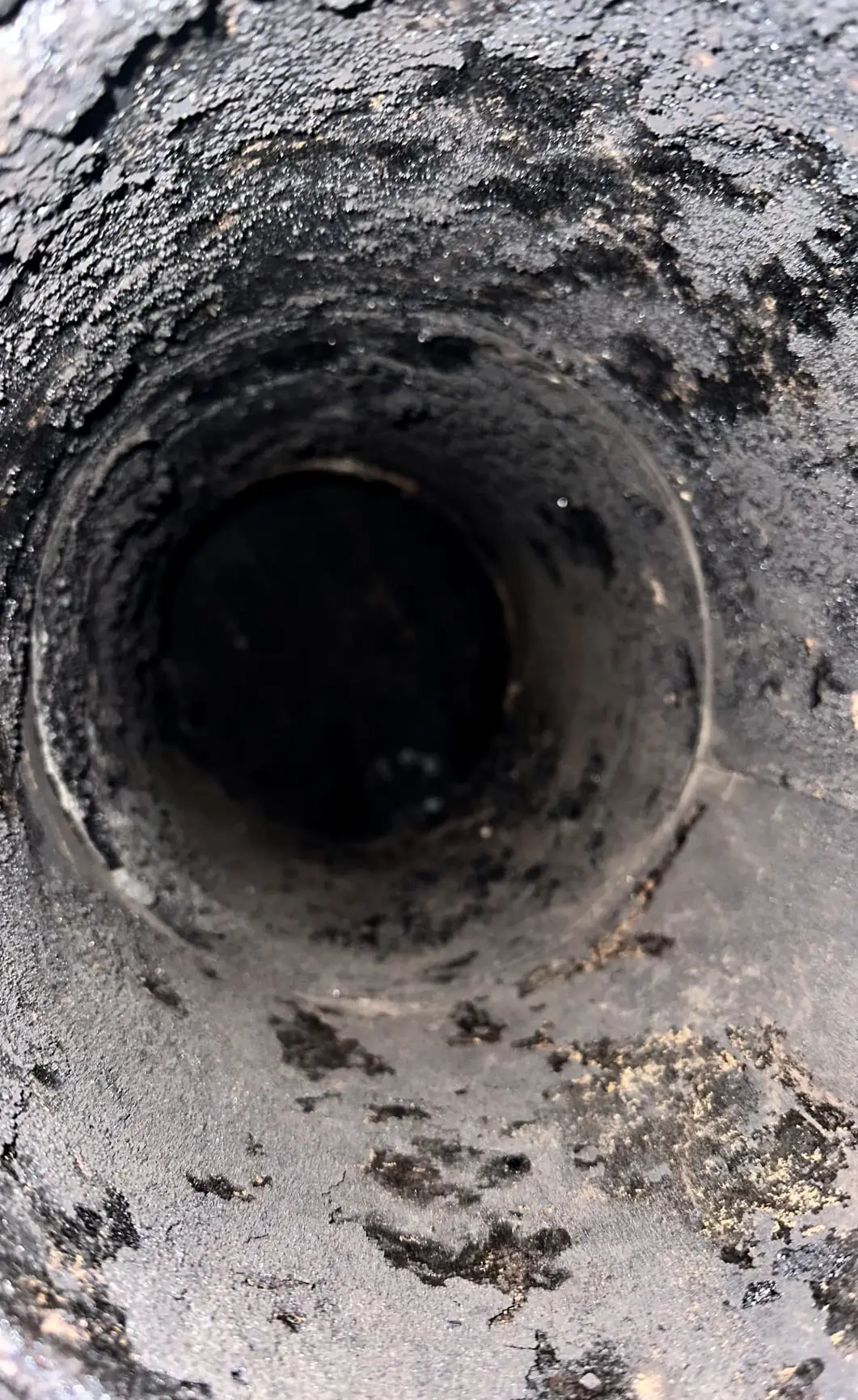
Heavy creosote, damaged flue surfaces, or visible gaps are reasons to ask for an inspection rather than treating brushing as the only next step. The CSIA explains that creosote forms as smoke cools and condenses in the chimney; its homeowner resources also describe deposits that call for sweeping. A camera inspection can help assess parts of the flue that are not visible from the firebox.
Which Signs Mean You Should Call a Chimney Sweep?
Call a chimney sweep when you see substantial dark, flaky, or shiny buildup in the firebox or flue, when smoke spills into the room, or when an obstruction prevents normal draft. These signs can point to a cleaning need or a separate issue that brushing alone will not fix.
Do not climb onto the roof to decide which method your chimney needs. A sweep can assess access and the flue, then choose a safe direction for the cleaning. Book a chimney sweep when deposits or poor draft make you unsure whether the fireplace is ready to use.
Need help now? (267) 705-6118
What Does the Inside-or-Outside Choice Mean for Your Next Step?
The access direction does not, by itself, tell you whether a chimney is clean or in good condition. The important checks are whether the sweep can reach the flue, remove the deposits, and identify visible issues that need a closer inspection.
Chimney cleaning starts at $89. The work needed can vary with the chimney’s condition and access; for a closer look at pricing, read how much a chimney sweep costs in Philadelphia. Philadelphia Chimney Sweep is open 24 hours a day, 7 days a week, and same-day service is available.
Frequently asked questions
Does a chimney sweep have to go on the roof?
No. A sweep may work from the fireplace opening, from the roof, or from both, depending on the chimney layout and safe access. You should not climb onto the roof to choose the method.
Can a chimney be swept from inside the house?
Yes, a sweep can use brush rods from the firebox or stove opening when the flue can be reached from below. The sweep still needs to confirm that the tools can reach and clear the full passage.
Does a chimney sweep cost more when the work is done from the roof?
Chimney cleaning starts at $89, and the cleaning method alone does not establish the full cost. Chimney condition and access can affect the work needed; see our Philadelphia chimney sweep cost guide for more pricing detail.
Should I use my fireplace if smoke comes into the room?
Stop using it until a chimney sweep checks the cause. Smoke entering the room can point to a draft problem or an obstruction, and brushing may not resolve the underlying issue.
Book a Chimney Sweep
Tell us which appliance the chimney serves and what you have noticed. Contact us to arrange a visit.