
Are Chimney Sweeps Worth It?
Yes—chimney sweeps are worth it for wood-burning fireplaces because professional cleaning removes creosote, a combustible deposit that can contribute to chimney fires. Philadelphia Chimney Sweep offers chimney cleaning from $89 and chimney inspections from $39.
Need help now? (267) 705-6118
Are Chimney Sweeps Worth It for a Wood-Burning Fireplace?
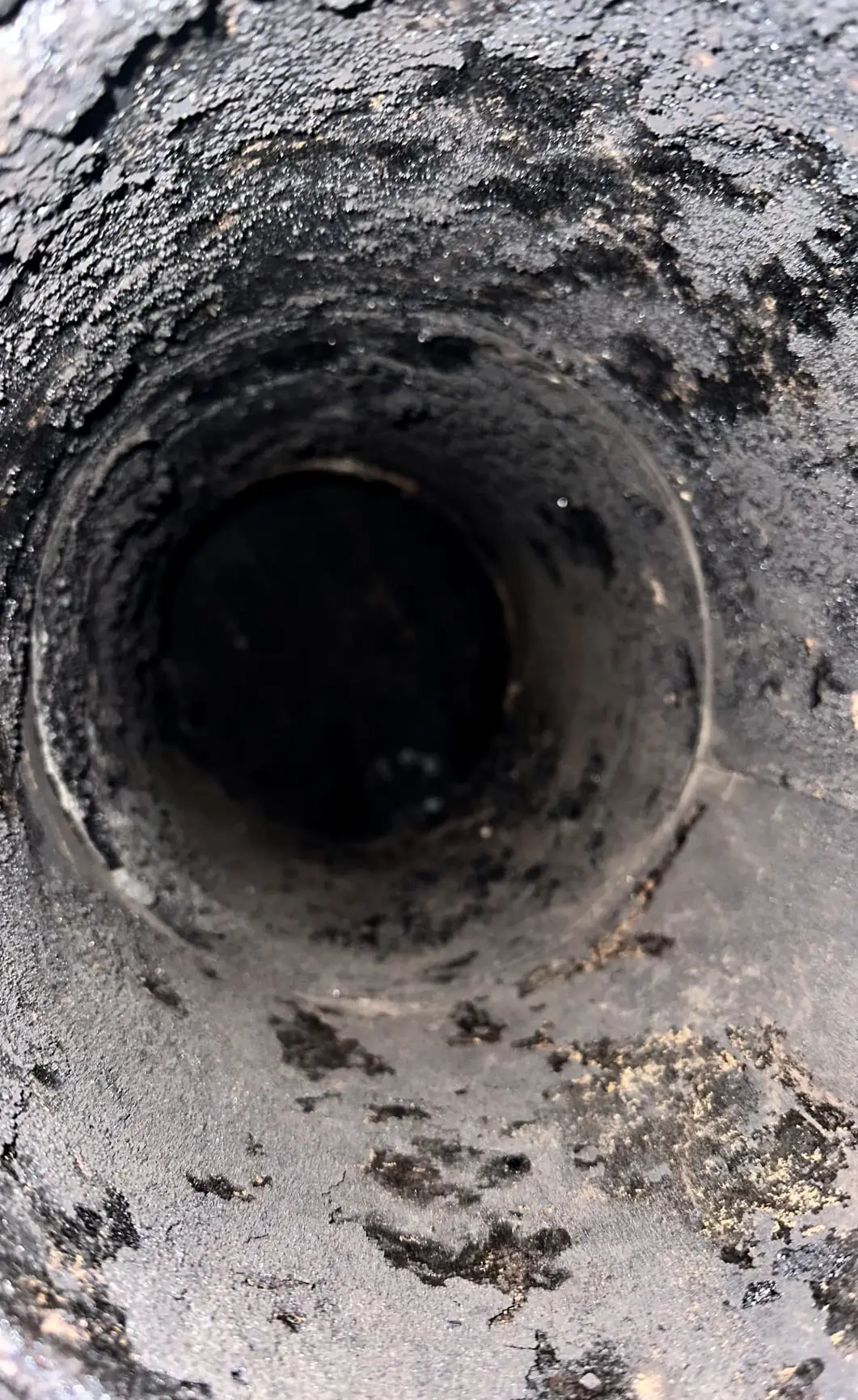
For a fireplace or stove that burns wood, sweeping is worthwhile because each fire can leave creosote inside the flue. Creosote is combustible, and buildup can raise the risk of a chimney fire. A clean-looking firebox does not tell you what is accumulating higher in the chimney.
The value is not only in removing deposits. A sweep gives you a chance to identify visible trouble that needs a closer look, such as damaged masonry, a blocked flue, or a fireplace that sends smoke into the room. Cleaning and a full inspection are distinct services, so describe what you have noticed when booking.
The listed starting price for chimney cleaning is $89; chimney inspection starts at $39. These are separate services, and a starting price is not a flat price for every chimney or condition. For a fuller price breakdown, see how much a chimney sweep costs in Philadelphia.
Signs Your Fireplace Needs More Than a Routine Sweep
A sweep may be especially worthwhile when you notice a change in how the fireplace works or smell. Do not climb onto the roof or put your hands inside the flue to investigate; note what you can see safely from the room and arrange professional help for anything beyond a basic visual check.
- A smoky fireplace — Smoke entering the room is a sign to stop using the fireplace until the cause is checked. A blocked or restricted flue can affect draft, but smoke can have more than one cause.
- A strong, unusual chimney odor — A persistent odor can point to deposits or other conditions inside the chimney. Note when the smell is strongest and whether it appears after rain, during use, or when the fireplace is cold.
- Visible dark, flaky or shiny deposits — Creosote can appear in different forms, and a view from the firebox may not show the full flue. The Chimney Safety Institute of America explains creosote buildup and chimney-fire prevention in its chimney fire prevention guidance.
- A recent change to the fireplace or chimney — A new appliance, relining work, a sale, or damage from a fire or weather event can call for an inspection beyond routine cleaning. Tell the sweep what changed so the right service can be scheduled.
- A suspected chimney fire — Stop using the fireplace and get everyone away from the danger. Chimney fire: leave and call 911.
Choose Chimney Cleaning, Inspection, or Repair for the Problem
The right service depends on the question you need answered. Cleaning removes deposits; inspection looks for conditions that affect safe operation; repair addresses a damaged part. A cleaning does not automatically mean that a separate inspection or repair is included.
Chimney cleaning
Choose cleaning when you burn wood and need deposits such as creosote removed. Philadelphia Chimney Sweep lists chimney cleaning from $89; the chimney’s condition and work scope affect what is needed.
Chimney inspection
Choose an inspection when you need the chimney’s condition assessed, especially after a change to an appliance or damage event. The listed starting price is $39; ask for the inspection type that matches the reason for the visit.
Chimney repair
Choose repair when you have a visible defect, water entry, damaged masonry, or a part that is not working properly. Cleaning alone does not fix structural or component damage.
Need help now? (267) 705-6118
Check These Fireplace Details Before You Book a Sweep
A few safe observations help you describe the job accurately. Make checks from the room or ground, with the fireplace completely cold; leave roof and flue access to a professional.
- Identify the appliance and fuel — Note whether you have a wood-burning fireplace, wood stove, or another appliance. The appliance and fuel affect what service to request; check the appliance label or manual if you are unsure.
- Record how the fireplace has been used — Write down whether it has been used regularly, occasionally, or not at all, and whether the fuel was wood. This context helps the sweep understand the likely cleaning needs.
- Look at the firebox with a flashlight — With the fireplace cold, use a flashlight to look for loose debris, damaged firebrick, or obvious deposits near the opening. Do not scrape deposits or reach up into the flue; note what you can see.
- Check the damper from below — When everything is cold, look at the damper and note whether it appears stuck, bent, or unable to close. Do not force it; a damper problem may need repair rather than cleaning.
- Note smoke and odor patterns — Record whether smoke spills into the room, when an odor occurs, and whether the issue began recently. These details can help distinguish a routine cleaning request from a concern that needs inspection.
- Observe the chimney from the ground — From a safe location, look for visible leaning, missing masonry, or damage around the chimney. Do not use a ladder to inspect the roof or cap; report visible changes when arranging service.
- Describe the issue when booking — Tell us the appliance type, fuel, last known use, and any smoke, odor, or damage you observed. Ask whether you need cleaning, inspection, or both, and confirm the scope and expected visit length for your chimney.
What a Chimney Sweep Visit Can—and Cannot—Tell You
A chimney sweep service addresses deposits inside the chimney; an inspection is a separate way to assess its condition. If you have concerns such as smoke entering the room, visible damage, or a recent change to the appliance, state those when you arrange the chimney sweep service so the visit can be matched to the issue.
There is no useful single visit length for every chimney: the time depends on the flue, its condition, access, and whether the work needs to go beyond cleaning. Ask about the expected scope and duration for your specific chimney when you book. Philadelphia Chimney Sweep offers same-day service, and its chimney work comes with a warranty starting from 2 years.
A sweep can identify reasons to investigate further, but cleaning cannot restore damaged masonry, repair a faulty damper, or resolve every cause of smoke. If the visit reveals a separate concern, ask what part is affected and whether the next step is an inspection or a repair.
When a Chimney Inspection Adds Value Beyond Sweeping
An inspection is useful when the question is not simply whether deposits need removal, but whether the chimney and connected appliance are in suitable condition. For example, a change to the appliance, chimney relining, a home sale, or a fire or weather event can call for a more detailed assessment. The CSIA’s Level 2 masonry chimney inspection procedure describes situations where a Level 2 inspection is recommended and calls for a video scan.
For routine use, ask what inspection is appropriate for your circumstances rather than assuming that sweeping includes a camera scan. If you are buying or selling a home, changed the appliance, or have suspected damage, mention that specific reason before the appointment so the service can be scoped correctly.
Need help now? (267) 705-6118
The Next Step When a Chimney Sweep Is Worth It
Book cleaning when your wood-burning appliance needs deposit removal; ask about inspection when you need the chimney’s condition assessed. Do not use a fireplace that is smoking into the room or appears damaged until the concern has been checked.
Garrett Sullivan, the owner of Philadelphia Chimney Sweep, has 16 years of experience with chimneys and fireplaces. The business serves Philadelphia and towns across the metro area within 50 miles; you can contact us with the appliance type and the symptoms you observed to arrange the relevant service.
Frequently asked questions
How often does a chimney really need to be cleaned?
How often cleaning is needed depends on the appliance, how it is used, and the deposits found in the flue. CSIA homeowner guidance cites the NFPA 211 recommendation for annual chimney inspection; an inspection can help determine whether sweeping is needed.
Do chimney sweeps still exist?
Yes. Chimney sweeps still clean chimneys and address deposits such as creosote. Philadelphia Chimney Sweep offers chimney cleaning and chimney inspection as separate services.
Is a chimney sweep worth it if I rarely use my fireplace?
Infrequent use does not show whether the chimney is clear or in good condition. Have the chimney assessed if you notice smoke, odor, visible damage, or a change in how it operates before using it again.
Can a chimney be repaired instead of swept?
Yes, when the problem is damage to the chimney or a component, repair may be needed rather than cleaning alone. A sweep can remove deposits, but it does not repair masonry, a liner, or a damper; describe the damage so the appropriate service can be arranged.
Ready to Arrange Chimney Cleaning?
Tell Philadelphia Chimney Sweep what appliance you use and what you have noticed so the visit can be matched to your chimney.