
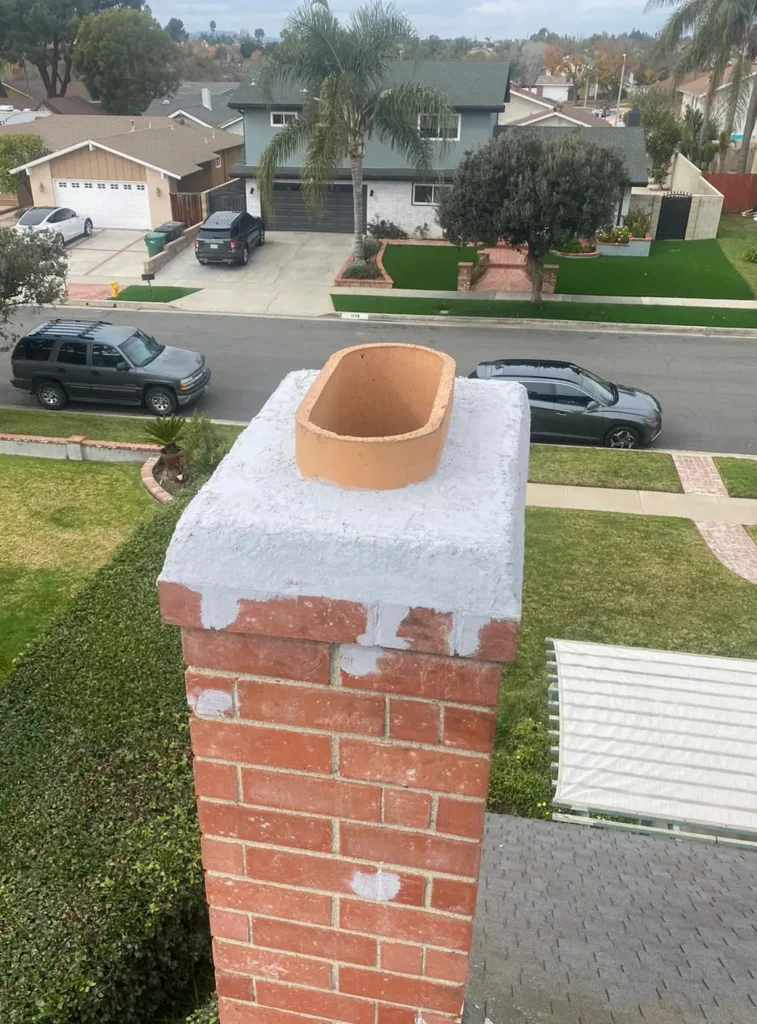
Chimney Animal Removal
Bird in the Chimney in Philadelphia, PA
A bird in a chimney can keep you from using your fireplace and may leave nesting material in the flue. We assess where the bird is, remove it, and check for an opening that could let another animal in.
- Open 24 hours a day, 7 days a week
- Same-day service is available
- 16 years of chimney and fireplace experience
- Chimney work warranty starts from 2 years
Get a fast quote
What a Bird in a Chimney Means for Your Philadelphia Fireplace
A bird in the chimney may be trapped in the flue, resting there, or nesting inside it. Nesting material and feathers can obstruct the passage, while a bird trying to get out may make scratching, fluttering, or repeated calls. Do not light a fire to drive it out; heat and smoke can injure the bird and create a hazard in your home.
Our chimney animal removal service addresses the bird and lets us check how it entered. The visit focuses on the bird’s location, safe access, and whether a cap or another part of the chimney needs attention. Time on site varies with access, the bird’s position, and any nesting material or damage.
What Changes the Estimate for a Bird in a Chimney
The work depends on where the bird is and what is needed to remove it safely. These details also help determine whether the visit involves removal alone or repair work afterward.
- Bird location — A bird near the fireplace opening presents different access needs from one higher in the flue or close to the chimney top.
- Chimney access — The chimney’s layout and the safe route to the bird affect the work involved. Tell us whether you have heard it near the fireplace or farther up the chimney.
- Nest or debris — Nesting material or other debris may need attention in addition to the bird. Let us know if you can see material at the fireplace opening; do not reach in to remove it.
- Cap or chimney damage — A missing or damaged cap can leave an entry point open. If a new chimney cap is needed, installation starts at $250; removal and cap work are separate parts of the estimate.
Need help now? (267) 705-6118
Why Birds Get Into Chimneys Around Philadelphia
A bird inside the chimney usually points to an open route in or a nest already taking shape. Finding the likely entry helps determine what should be checked after removal.
Missing chimney cap
Without a cap, birds can enter through the open top of the flue. A visible opening at the chimney top is a reason to have the cap and flue checked.
Loose or damaged cap
A cap that has shifted or become damaged may leave a gap. From the ground, note any visible change, but do not climb onto the roof to inspect it.
Nest material in the flue
Birds may bring twigs and other nesting material into a chimney. Material can remain even after a bird leaves, so scratching or fluttering that stops does not confirm the flue is clear.
An open fireplace route
An unused or open passage can allow a bird to move down into the chimney. Keep the fireplace opening closed while you arrange removal, and avoid trying to guide the bird out yourself.
Signs a Bird Is Trapped or Nesting in Your Chimney
Listen and look for clues from inside the home, but avoid opening the flue or reaching into the fireplace. A bird’s exact location is not always clear from the sound alone.
Fluttering or scratching
Repeated movement sounds from the chimney can mean a bird is trying to move through the flue. Note when and where you hear the noise.
Chirping or calls
Calls coming from the chimney may indicate a bird is inside or near a nest. Do not use a fire to make it leave.
Twigs or feathers
Nesting material or feathers near the fireplace opening can point to activity in the chimney. Leave the material in place so it can be assessed with the rest of the flue.
A bird visible at the opening
People asking what a chimney sweep bird looks like should know there is no single bird species associated with chimneys. Appearance alone cannot show whether it is trapped, nesting, or able to leave; its location and condition matter.
Need help now? (267) 705-6118
Frequently asked questions
Can I call about a bird in my chimney at night or on a weekend?
Yes. We are open 24 hours a day, 7 days a week, and same-day service is available. Call (267) 705-6118 or request service.
Will you repair the chimney cap or replace it after bird removal?
We check whether a cap or another chimney opening needs attention after removal. A localized issue may call for repair, while a badly damaged or missing cap may need replacement; a new cap installation starts at $250.
Is it safe to keep using my fireplace door while a bird is in the chimney?
Keep the fireplace door closed and do not use the fireplace while the bird is inside. Do not open the door to reach for the bird or try to push it out; heat and smoke can harm it.
What should I tell you when I call about a bird in the chimney?
Tell us where you hear or see the bird, when the sounds started, and whether you have noticed twigs, feathers, or a visible gap at the chimney top. A photo taken safely from the ground can help describe a visible cap issue; do not climb onto the roof or reach into the flue.
Get Help With a Bird in Your Chimney
Call (267) 705-6118 or request service. Tell us what you have seen or heard so we can arrange chimney animal removal.