
Do I Need a Chimney Liner?
You need a chimney liner when the existing flue is missing, damaged, or unsuitable for the fireplace or appliance connected to it; an intact, compatible liner may not need replacement. A chimney inspection can identify which situation applies before you use the appliance.
Need help now? (267) 705-6118
Do I Need a Chimney Liner for My Fireplace?
A liner is needed when the flue has no liner, the existing liner is damaged, or it does not suit the connected fireplace or heating appliance. A liner that is intact and compatible may be able to stay in place, so age or appearance alone does not determine whether replacement is necessary.
The answer depends on what fuel the appliance uses, how it connects to the flue, and what condition the liner is in. A change from one appliance to another, or a plan to reline the chimney, is a reason to arrange a more thorough inspection. The CSIA Level 2 inspection guidance identifies appliance changes and relining as reasons for a Level 2 inspection, which includes a video scan.
An inspection can distinguish a liner issue from damage elsewhere in the chimney. For professional chimney liner installation, we inspect the flue and connected appliance before determining what work is appropriate.
What a Chimney Liner Does—and What It Cannot Fix
Carries exhaust through the flue
The liner forms the passage that carries smoke and combustion gases out through the chimney. Its fit needs to suit the appliance and flue rather than simply match the opening you can see at the fireplace.
Separates exhaust from chimney masonry
A liner provides a defined path inside the chimney instead of leaving exhaust to travel directly against the surrounding masonry. Cracks, gaps, or deterioration in that path need an inspection; a new liner alone does not repair every masonry problem.
Does not solve every draft or smoke problem
Smoke entering the room can have causes beyond the liner, including other fireplace or chimney conditions. The inspection should check the flue and the connected system before anyone treats liner replacement as the only answer.
Signs That Call for a Chimney Liner Inspection
These clues can point to a liner concern, but none confirms the diagnosis by itself. Do not climb onto the roof or take apart the flue to check them.
- Visible gaps or damage — Cracked or missing material visible from the firebox or cleanout can indicate deterioration farther inside the flue. A professional inspection is needed to check the full passage.
- A changed fireplace or appliance — A replacement appliance or a change in fuel can affect whether the existing liner is suitable. Tell the chimney sweep what was changed and when.
- Smoke entering the room — Indoor smoke is a sign to stop using the fireplace until the cause is checked. It may involve the liner, but the symptom alone does not identify the source.
- A recent chimney or appliance event — A chimney fire, severe weather event, or planned relining calls for an inspection of the flue, not just a look at the fireplace opening. The CSIA inspection guidance describes these as reasons to consider a Level 2 inspection.
Need help now? (267) 705-6118
How a Chimney Liner Inspection Moves From Clue to Decision
A useful assessment starts with the appliance and follows the exhaust path. These steps show what information to gather and what to check with a chimney sweep; they are not instructions to enter or dismantle the chimney.
- Stop using an appliance with a visible concern — If you see loose liner pieces, obvious flue damage, or smoke entering the room, do not use the fireplace until it has been checked. Note what you saw without reaching into the firebox.
- Identify the connected appliance — Write down whether the fireplace or appliance burns wood, gas, or another fuel, and note any recent replacement or conversion. The inspector needs to assess the liner in relation to what it serves.
- Describe the symptom and timing — Record when smoke, debris, or other visible changes appeared and whether they followed a storm, appliance change, or chimney event. This helps focus the inspection on the relevant part of the system.
- Have the flue examined — A chimney sweep checks the accessible fireplace and chimney areas for visible signs of damage or deterioration. Do not assume that a clear view from the firebox means the full flue is sound.
- Ask whether a video scan is needed — When relining is planned or an appliance has changed, ask about a Level 2 inspection and video scan. CSIA guidance calls for a video scan as part of that inspection.
- Compare the existing liner with the appliance — The assessment should consider the liner’s condition and whether it is suitable for the connected appliance. Check that the recommended work addresses the observed issue rather than assuming a new liner fixes unrelated masonry damage.
- Review the work and recheck before use — Before work begins, make sure you understand whether the recommendation is repair or installation and what chimney areas it covers. After the work, have the completed liner and its connection checked before returning the appliance to use.
Should You Repair the Existing Liner or Install a New One?
The inspection findings determine whether a repair is suitable or whether installation is the better path. A liner recommendation should account for the flue condition and the appliance it serves.
Keep the existing liner
This may fit when inspection finds the liner intact and suitable for the connected appliance. A concern in another part of the chimney still needs its own assessment.
Repair the liner
A repair may fit a specific, repairable problem in an existing liner. Ask what damage was found and how the proposed repair addresses it; a repair should not be treated as a substitute for checking the rest of the flue.
Install a liner
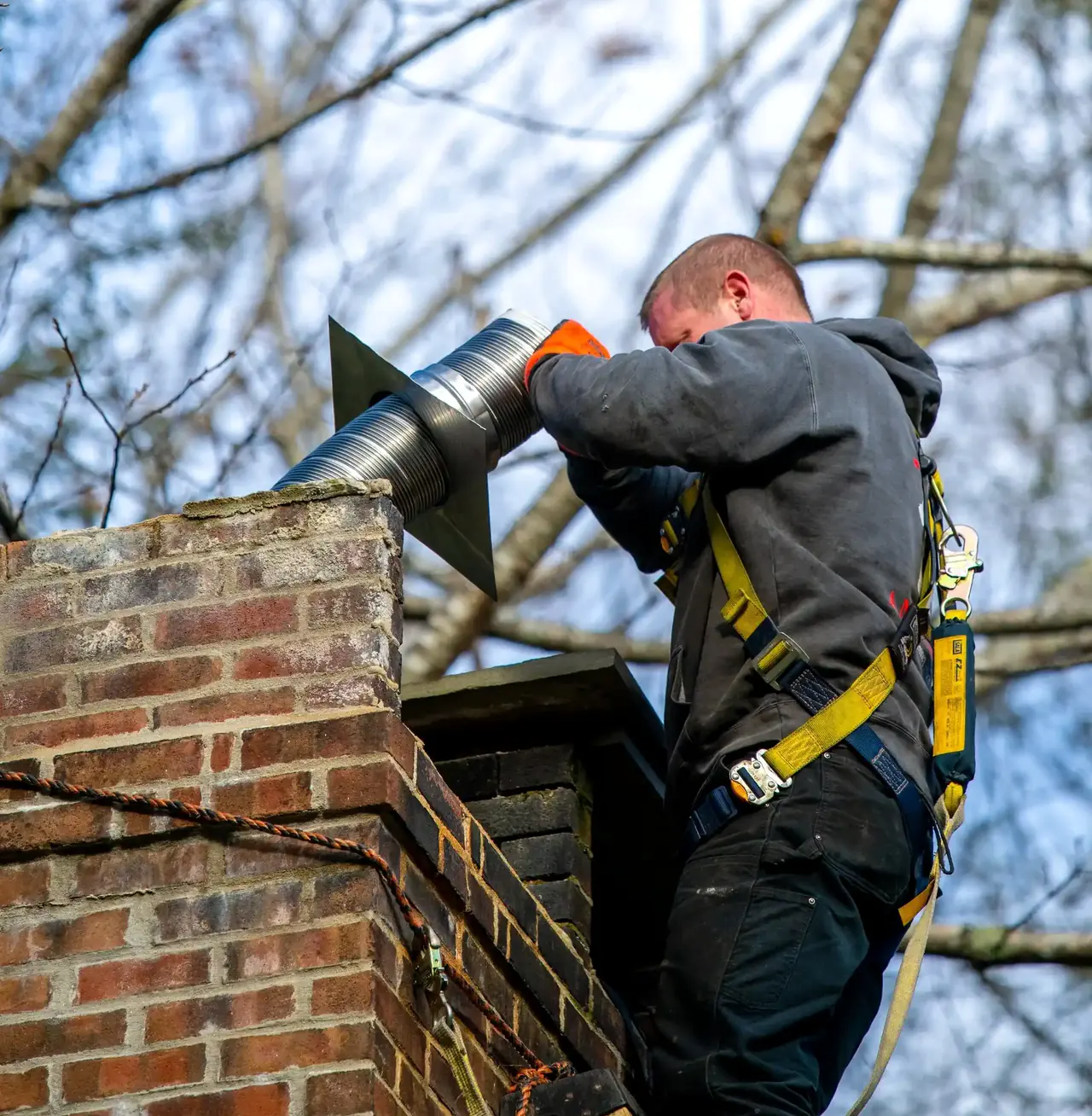
Installation may be appropriate when the flue lacks a suitable liner or the existing one cannot serve the appliance safely. Chimney liner installation starts at $899; the final scope and cost depend on the flue and the work the inspection identifies.
What to Expect From a Chimney Liner Assessment
A chimney inspection starts at $39. The inspector assesses the visible condition and determines whether a closer examination is needed; the price of a liner project depends on the condition of the existing flue, its dimensions, the appliance it serves, and any additional repair work identified.
The best next step is to describe the appliance, any recent changes, and the signs you have noticed when booking. We provide chimney service at your home, and same-day service is available. Garrett Sullivan, the owner, has 16 years of experience with chimneys and fireplaces.
For related chimney concerns, our chimney sweep in Philadelphia service can check the chimney and fireplace. You can also read how much a chimney liner costs for more detail about pricing.
Need help now? (267) 705-6118
What Can Go Wrong When a Liner Problem Goes Unchecked?
A damaged or unsuitable flue can leave exhaust traveling through a passage that is not in good condition or properly matched to the appliance. A liner concern can also be mistaken for a draft problem, a masonry issue, or another fireplace fault, leading to work that does not address the actual cause.
Do not try to patch a liner with household materials, remove pieces from inside the flue, or climb onto the roof to inspect it. If you see damage or debris, or if smoke comes into the room, stop using the appliance and arrange an inspection. A chimney sweep can check the flue and discuss whether liner installation or repair fits the condition found.
Frequently asked questions
Can I use my fireplace if I think the chimney liner is damaged?
Do not use it when you see loose liner pieces, visible flue damage, or smoke entering the room. Have the chimney checked before using the appliance again, because those signs do not reveal how much of the flue is affected.
Does a chimney liner need a video inspection?
A video scan is required as part of a Level 2 inspection under the CSIA guidance linked above. That inspection is recommended in situations such as relining or an appliance change, when a closer look inside the flue matters.
How much does chimney liner installation cost?
Chimney liner installation starts at $899. The final cost depends on the existing flue, its dimensions, the appliance it serves, and any other repair work the inspection finds.
How do I book a chimney liner inspection?
Share the appliance type, any recent appliance changes, and the signs you have noticed when you contact us. We provide service at your home, and same-day service is available.
Get Your Chimney Liner Checked
Tell us what appliance you use and what you have noticed so we can arrange an inspection at your home.