
What Does a Chimney Sweep Include?
What a chimney sweep includes is a check of the firebox and accessible flue, removal of soot and creosote, and a final check for an open passage. Our chimney sweep service starts at $89; the chimney’s condition and access affect the work involved.
Need help now? (267) 705-6118
What Does a Chimney Sweep Include From Firebox to Flue?
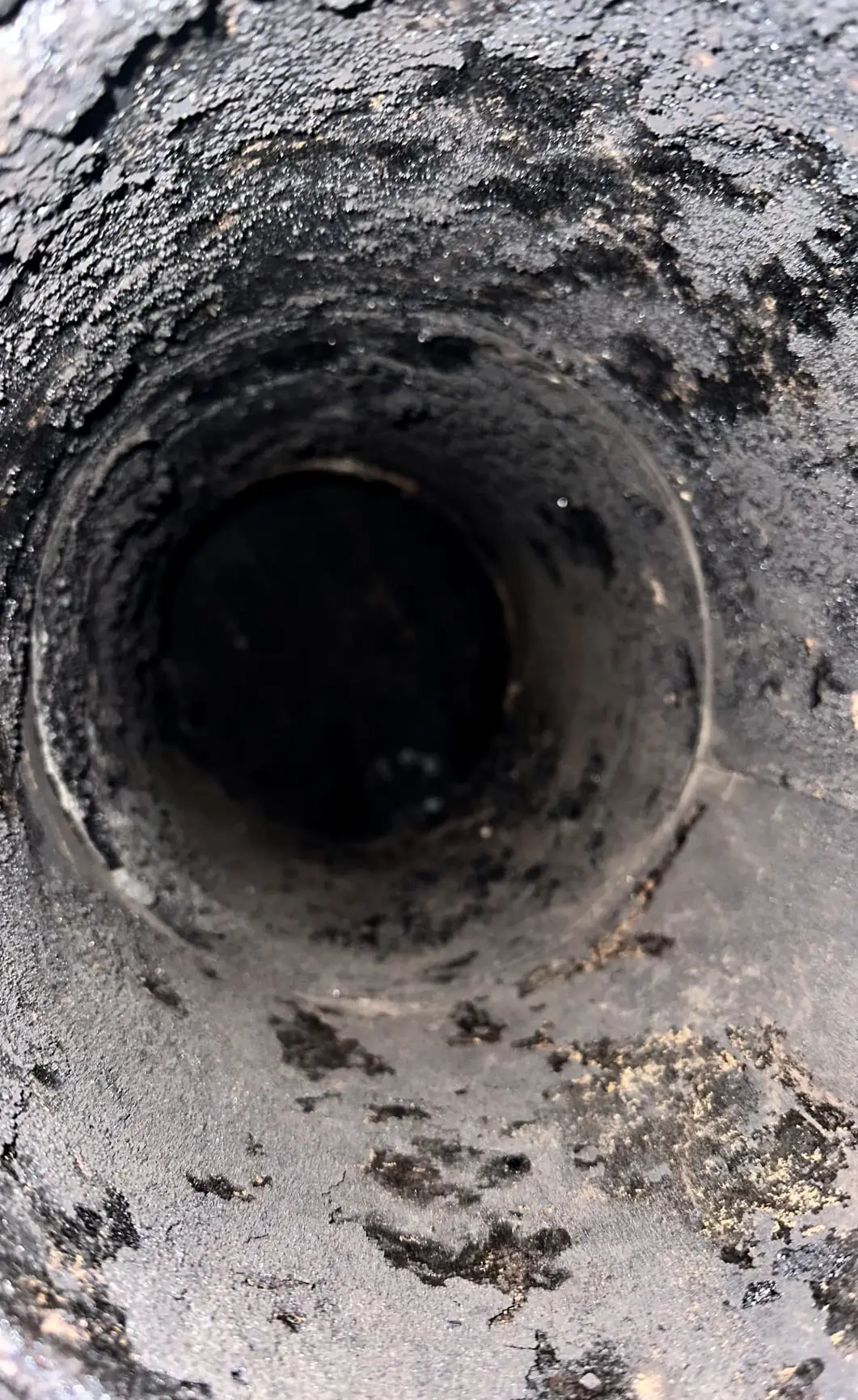
A chimney sweep checks the fireplace opening and accessible flue, removes soot and creosote deposits, and checks that debris has been cleared from the passage. The goal is to remove combustible buildup and spot conditions that may need a separate repair or inspection.
A sweep is not the same as a full assessment of every hidden part of the chimney. The scope can change when the flue is hard to reach, deposits are heavy, or the chimney shows signs of damage. Our chimney sweep service starts at $89; that starting price is for sweep service, and the chimney’s condition affects what work is needed.
Choose Sweeping, Inspection, or Both for the Chimney’s Condition
Sweeping for soot and creosote
Choose a sweep when you need combustible deposits removed from the flue. It addresses buildup; it does not repair cracked masonry, a damaged liner, or a faulty damper.
Inspection for condition concerns
An inspection evaluates the chimney’s condition rather than focusing only on deposits. It is the better fit when you see damaged masonry, have changed an appliance, or need the flue assessed after an event.
Both when cleaning reveals a concern
A sweep may uncover a condition that needs closer inspection, such as damage or a blockage. A video inspection is a separate, more detailed look inside the flue, not an automatic part of every sweep.
How a Chimney Sweep Checks and Cleans the Flue
The exact sequence depends on the fireplace and the chimney’s condition. These steps describe the main checks and cleaning stages, not a promise that every chimney needs the same tools or treatment.
- Check the fireplace and hearth — The firebox and hearth are checked for loose debris and visible damage. This gives the sweep a starting point and helps identify concerns before cleaning begins.
- Look into the flue — A flashlight helps reveal visible soot, creosote, or an obstruction near the accessible opening. A clear view from below does not confirm the condition of every hidden flue surface.
- Select a brush that fits — A chimney brush and extension rods are selected to match the flue’s shape and size. A suitable fit lets the brush contact the inside surface without forcing equipment through a tight passage.
- Loosen deposits — The brush is moved through the flue to break loose soot and creosote deposits. The sweep checks whether buildup is coming away and whether the brush can pass through the intended area.
- Collect debris — A vacuum or other collection method captures loosened material around the fireplace opening. The firebox and hearth are checked for remaining debris as cleaning proceeds.
- Recheck the accessible areas — After brushing, the firebox and flue opening are checked again for loose buildup or material that remains in view. Heavy or glazed deposits may call for a different removal method or further assessment.
- Identify work beyond cleaning — Visible cracks, a damaged damper, or an obstruction can change what should happen next. A sweep removes deposits; repairs and a detailed condition inspection are separate work.
Need help now? (267) 705-6118
Signs the Chimney Needs More Than a Routine Sweep
A sweep can remove deposits, but some signs point to a different problem. Note what you see and where it appears; that information helps determine whether cleaning alone fits.
- Dark, flaky, or tar-like deposits — Visible buildup in the firebox or flue points to soot or creosote that needs attention. Creosote forms as wood smoke cools, so deposits are a reason to stop using the fireplace until the chimney has been assessed and cleaned.
- Smoke entering the room — Smoke spilling into the room can indicate a draft or obstruction problem, not simply a dirty fireplace. Stop using the fireplace and arrange an assessment rather than trying to clear the flue from inside the home.
- Cracks, loose masonry, or water damage — These signs need a condition check because brushing does not restore damaged brick, mortar, or a liner. Ask for an inspection or repair assessment before using the chimney.
- A blocked flue or animal activity — Do not push tools into a suspected blockage or reach into the flue. Have the obstruction identified and removed safely; the right next step depends on what is blocking the passage.
Which Chimney Sweep Option Fits the Job?
Routine deposit removal
A standard sweep is the appropriate starting point when the main need is removal of soot and creosote. The condition of the flue and how easily it can be accessed affect the cleaning work.
A closer look inside the flue
Choose a video inspection when a visual check of hidden flue surfaces is needed. The CSIA Level 2 inspection guidance calls for a video scan in specified situations, including an appliance change, relining, or a chimney fire or severe weather event.
Repair assessment
Choose an inspection or repair assessment when there are signs of structural damage, a leak, or a faulty part. Sweeping can clear deposits, but it cannot correct a masonry, liner, or damper defect.
What Affects the Sweep Price and Visit Length?
Our chimney sweep service starts at $89. The work involved can depend on the amount and type of deposits, access to the flue, and whether an obstruction or damage needs a separate assessment; a video inspection or repair is not the same service as sweeping. For more detail on starting prices and cost factors, see how much a chimney sweep costs in Philadelphia.
There is no single visit length that fits every chimney. The time depends on how accessible the flue is, how much buildup needs removal, and whether the sweep finds a condition that requires additional assessment. The sweep should check the cleaned area and fireplace opening before wrapping up.
Need help now? (267) 705-6118
What to Do Before Using the Fireplace Again
Let ash and embers cool completely before you inspect the firebox. From a safe position, note visible buildup, damage, smoke problems, or water entry; do not climb onto the roof or reach into the flue to investigate.
The CSIA homeowner guidance explains the value of regular chimney inspection and cleaning, and describes creosote removal and damper concerns. Read its chimney homeowner resources for general maintenance guidance. When the flue needs cleaning, book a chimney sweep; when you see damage or a persistent draft problem, request an inspection or repair assessment instead.
Frequently asked questions
Does a chimney sweep include a full chimney inspection?
Sweeping focuses on removing soot and creosote, while a full inspection evaluates the chimney’s condition. A video scan is used when a more detailed look inside the flue is needed, so ask for an inspection when you have concerns about damage or hidden areas.
Can a chimney sweep remove every kind of creosote?
A sweep removes deposits using a method suited to the material and the flue. Heavy or glazed creosote may need a different removal approach, so do not scrape or burn it away yourself.
Will sweeping fix smoke that comes into the room?
Sweeping can remove buildup that restricts the flue, but smoke can also result from a draft problem, blockage, or damaged component. Stop using the fireplace while smoke spills indoors and have the cause assessed.
What should I book if the chimney has visible cracks?
Book an inspection or repair assessment because sweeping does not repair cracked masonry or a damaged liner. Avoid using the fireplace until the condition has been checked.
Book a Chimney Sweep
Call (267) 705-6118 or contact us to book. Same-day service is available.